Home
About
Subscribe
Sep 4, 2026
Commodities
3 min
Beyond Green: Mining Expansion and Industrial Applications
Aug 14, 2026
Markets
Gold's Inflation Myth: What Actually Drives the Price
Aug 3, 2026
4 min
Copper's Quiet Crisis: The Metal the Energy Transition Can't Do Without
Jul 29, 2026
Africa
4
Africa's Mining Pipeline in 2026: Regional Strengths from Copper to Gold
Jul 27, 2026
10 min
Recycling and Critical Materials: A Supplement to Mining, Not a Substitute
Recycling helps, but it cannot solve the critical materials shortage because most metals are still locked inside products that will not be recycled for another 10-20 years. This timing gap creates a distinct market structure – and an opportunity for supply-chain intermediaries.
all
Market
Energy
Europe
Asia
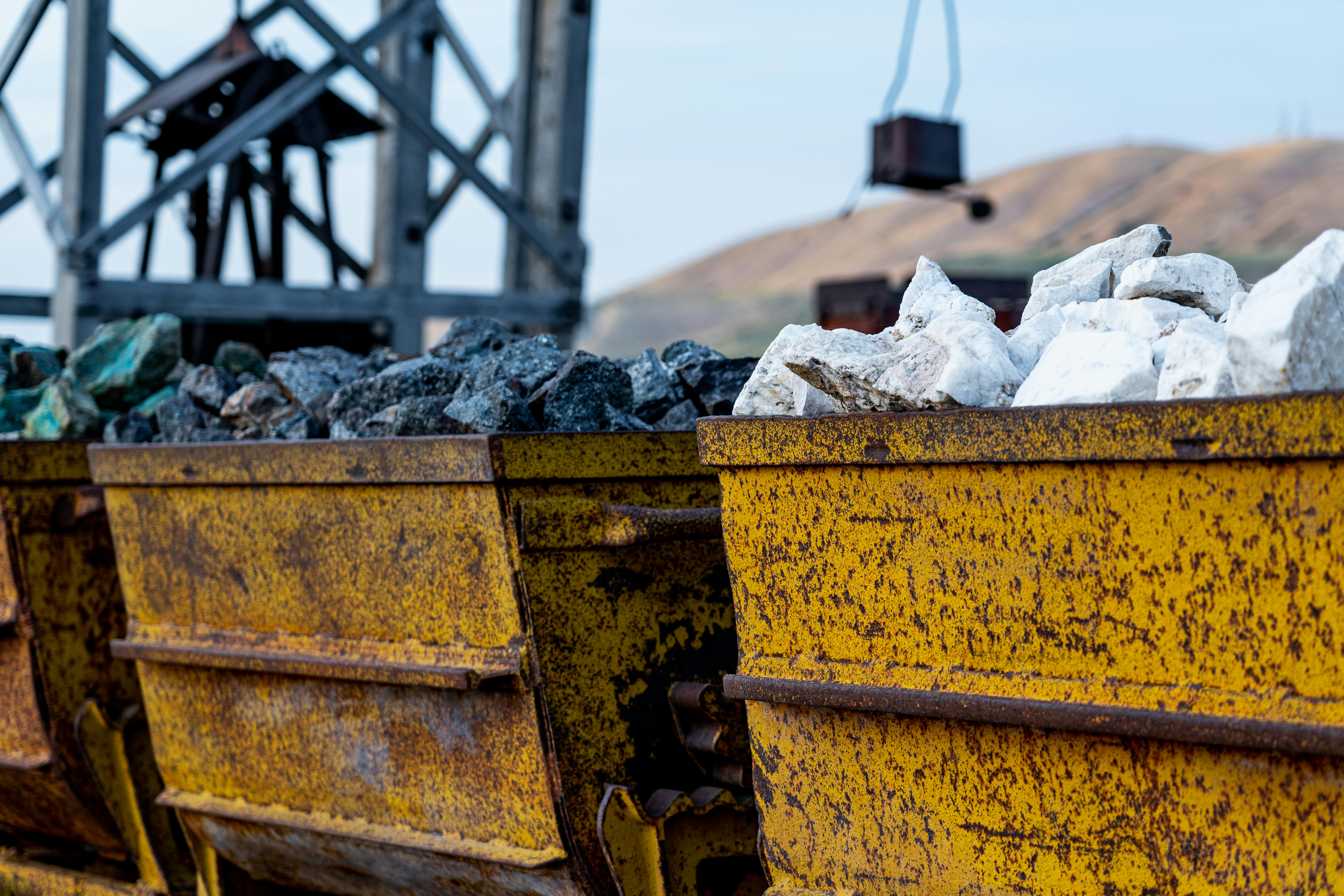
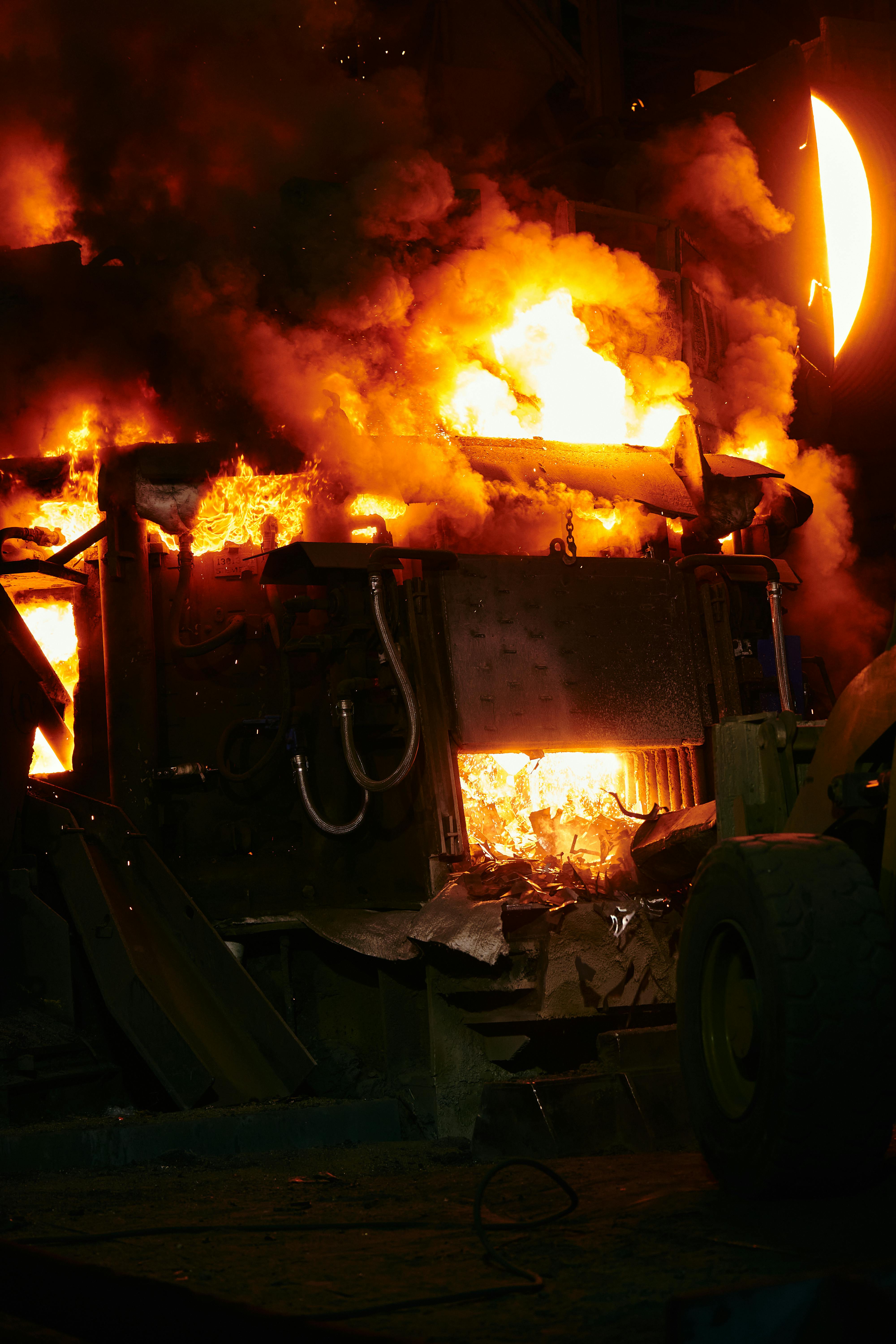
How mineral extraction serves diverse industrial sectors beyond renewable energy, reshaping supply chain strategies.
5 min
A Chicago Fed research note finds that gold's reputation as an inflation hedge only tells part of the story. Since 2001, real interest rates and macroeconomic pessimism have driven the price far more than inflation itself.
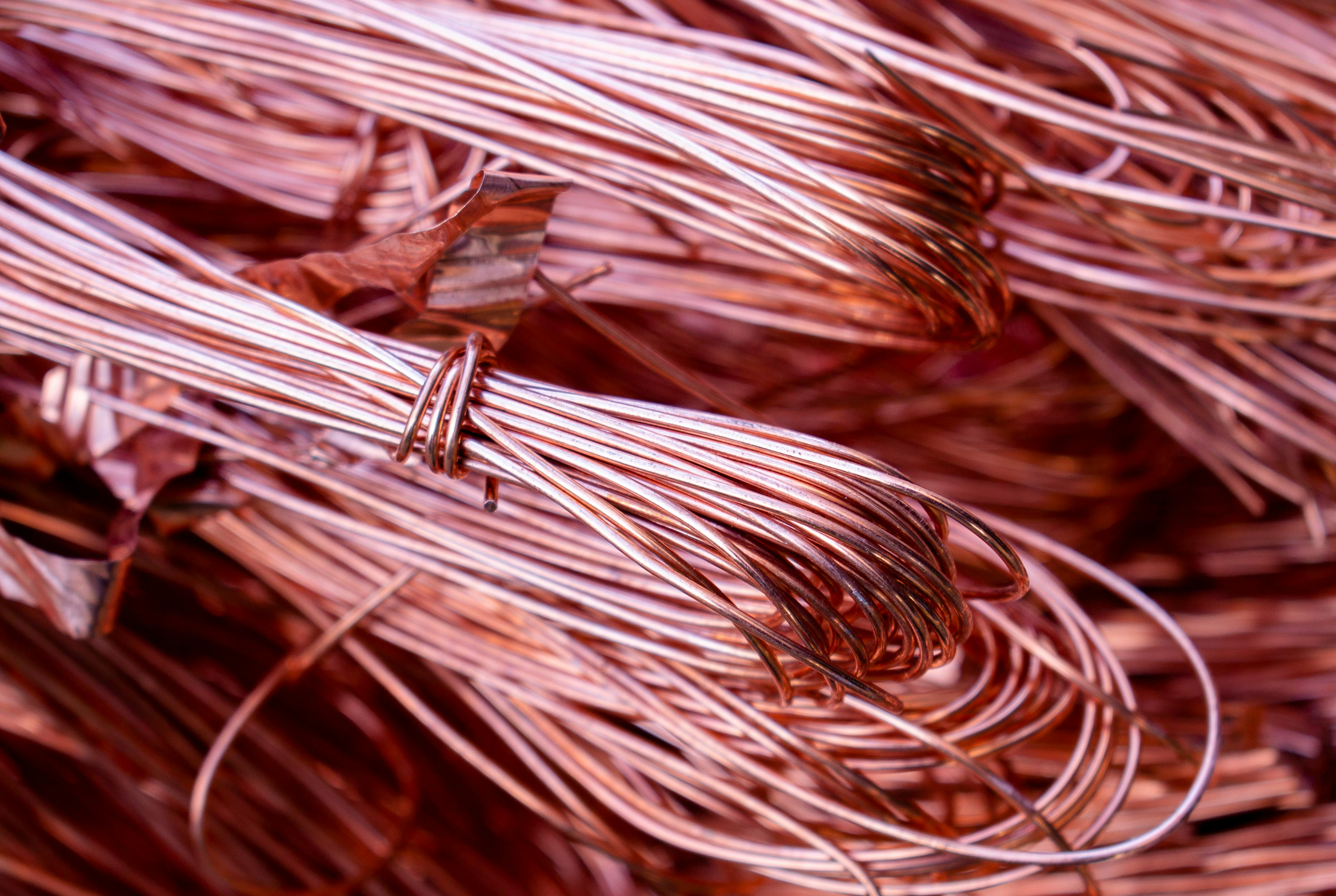
Copper demand is set to outrun supply by 6.5 million tonnes by 2031, and South America's dominant producers keep getting knocked offline by political unrest. Read why the metal the energy transition can't do without may become the bottleneck that slows it down.
Africa's mining project pipeline shows critical minerals - copper, graphite, manganese, cobalt, rare earths and uranium -- attracting renewed investment alongside traditional strengths in gold and diamonds. Creamer Media's regional breakdown finds Central Africa anchored in copper and bauxite, West Africa in gold, Southern Africa combining established capacity with beneficiation opportunities, and North and East Africa building stronger links between extraction and industrial processing.
Recycling rates vary sharply by metal: copper recovery already covers 32-35% of global use, while lithium, nickel and rare earth recycling remain below 5%. Sprott's analysis finds the binding constraint is feedstock timing rather than technology -- most critical materials remain locked inside EVs, turbines and grid infrastructure with 10-25 year lifespans -- meaning recycling will supplement but not replace new mining through at least 2040.
13 min
Precious metals are now far more than stores of value — they're core inputs for the energy transition, electronics, and industry: gold as the global trust anchor, silver as key to solar power, and platinum/palladium critical for catalytic converters and hydrogen technologies. At this intersection of financial stability and industrial demand, AURAC AG positions itself as a global commodities trader linking supply chains between producers and end markets.
Jul 22, 2026
Solar panels and EVs are quietly draining the silver market. And mine supply can't keep up. Find out why the market has now run a supply deficit and what that could mean for prices.
Jul 20, 2026
Cooling natural gas to around -260 F reduces its volume by a factor of 600, enabling ocean transport to markets beyond pipeline reach. The EIA traces the full LNG supply chain from liquefaction through cryogenic transit to regasification — and explains how this infrastructure converted natural gas from a regional commodity into a globally traded one, with the US, Qatar, and Australia as dominant exporters.
Jul 19, 2026
Commercial oil storage is growing globally, driven by governments building strategic reserves, trading firms expanding physical inventory positions, and refineries repurposing capacity for transition fuels like ammonia and sustainable aviation fuel. S&P Global traces these parallel developments across major hubs including China, Singapore, Rotterdam, and Fujairah.
6 min
Zinc's primary role — coating steel against corrosion — is embedded in construction, infrastructure, and automotive manufacturing worldwide. A second demand vector is emerging: zinc-based battery chemistry for grid-scale energy storage, where its safety profile and recyclability offer advantages over lithium alternatives.
World Bank projects a 16% rise in commodity prices in 2026, led by energy, fertilizers, and record prices across metals.
Jun 22, 2026
China adds MP Materials and USA Rare Earth to its export blacklist, targeting Washington's domestic rare earth supply strategy.
Jun 12, 2026
Commodity markets divide into three broad categories — metals, energy, and agricultural products — each with distinct supply-demand dynamics and trading infrastructure. Participants access these markets through physical ownership, futures contracts, ETFs, or derivatives, with major venues including the LME, NYMEX, and ICE performing price discovery and clearing functions.
Physical commodity trading operates on contractual structures and logistics frameworks that differ substantially from financial markets. This primer covers how spot and forward contracts underpin delivery, what intermediaries do between producers and end-users, and how exchanges provide price reference and clearing for the movement of actual materials.
Jun 1, 2026
7 min
For two decades, movements in real interest rates have been the dominant explanatory variable for gold price direction. When real yields decline, holding gold carries a lower opportunity cost relative to fixed-income assets; when they rise, that calculus reverses. Recent years have complicated this framework: central bank accumulation, reserve diversification away from dollar-denominated holdings, and ETF-driven demand have introduced structural demand that operates independently of the rate cycle.
May 7, 2026
11 min
The nickel market has divided into two distinct demand streams: lower-grade nickel pig iron for stainless steel and high-purity Class 1 nickel for EV battery cathodes. This structural divergence has reshaped pricing, investment flows, and geopolitical leverage — with Indonesia's production dominance and China's processing capacity defining the current landscape.
Apr 16, 2026
More than 150 years after its formal founding, the London Metal Exchange continues to set the reference prices that shape global industrial metal markets. A recent Commodity.com overview offers a useful lens on why this single institution remains so central to how base metals are traded, priced, and hedged worldwide.
Mar 26, 2026
Europe's reliance on Chinese-processed critical minerals has been identified as a structural vulnerability, prompting the EU's Critical Raw Materials Act and RESourceEU Action Plan to set domestic targets for lithium, nickel, cobalt, copper, and rare earths. Several member states have moved beyond targets to implement strategic stockpiling programmes.
Feb 25, 2026
1 min
Inside every photovoltaic cell, silver paste is printed onto silicon wafers to collect and carry electrical current — a function that no commercially viable substitute has yet replaced. As global solar installation rates have climbed, this single application has become a significant and growing source of silver demand. The manufacturing steps involved, the material properties that make silver difficult to engineer around, and the long-term demand trajectory are examined in detail.
Feb 21, 2026
The EU's Critical Raw Materials Act implies cumulative investment above 100 billion EUR by 2030, yet current annual capital deployment into upstream European mineral projects remains in the low single-digit billions. European permitting timelines and ESG requirements make projects difficult to finance through conventional mining capital structures, and developers are repositioning projects as industrial infrastructure to attract institutional capital.
Jan 27, 2026
Control over critical mineral supply chains has become a central variable in great power competition, with China dominating processing, the US pursuing domestic production and allied trade frameworks, and the EU deploying legislation and strategic project designations. ODI maps four systemic dynamics driving this contest — and identifies the gap between policy ambition and actual financing deployment as the defining constraint.
Jan 20, 2026
30min
A policy brief arguing that the relevance of energy to the global economy is no longer defined primarily by commodity price levels.
Jan 13, 2026
15 min
The US and EU share the same strategic conclusion about Chinese critical mineral dominance but have chosen different instruments: the US favours domestic production incentives and allied sourcing frameworks, while the EU is using legislative designation and a dedicated investment facility. Herbert Smith Freehills Kramer maps both approaches and examines how offtake agreements are being used to underwrite project finance in each jurisdiction.
Jan 8, 2026
Wood Mackenzie identifies five dynamics reordering the global energy landscape: oil price pressure from oversupply, new LNG capacity entering gas markets, plateauing renewables investment, a critical juncture for green hydrogen, and the potential for low-cost Chinese hydrogen to disrupt European clean energy plans. Together they represent a structural realignment, not a cyclical adjustment.
Jan 7, 2026
A recent World Economic Forum piece argues that circular economy principles are shifting from environmental initiative to genuine supply-side lever for the critical minerals underpinning the clean energy transition.
Oct 6, 2025
Supply chains for lithium, cobalt, nickel, and manganese remain geographically concentrated, creating strategic exposure for importing regions. Secondary recovery from end-of-life batteries and electronic waste offers a route toward greater supply resilience, and emerging techniques including direct cathode recycling are improving the economics of recovery at scale.
Oct 3, 2025
The EU's Carbon Border Adjustment Mechanism applies a carbon price to imports of steel, aluminium, cement, fertilisers, electricity, and hydrogen — the first instrument of its kind globally. Its purpose is to prevent carbon leakage: the displacement of production to jurisdictions with lower compliance costs, which shifts emissions rather than reducing them.
Apr 1, 2025
60 min
As bond-equity correlations have risen, the traditional portfolio hedge function of fixed income has weakened — reopening debate about what fills that role. LSEG research examines gold's behaviour across financial stress events, the structural acceleration in central bank purchasing since 2021, and the broader geopolitical context: in a world of diverging monetary systems and competing reserve frameworks, gold's status as a politically neutral, jurisdiction-independent asset has gained renewed relevance.
Feb 3, 2025
Fossil fuels still account for roughly 80% of global energy supply, and displacing them requires simultaneous change across power generation, transport, heating, and financing systems. The UNDP outlines the practical requirements.
Jan 7, 2025
Copper has one of the highest recycling rates of any industrial metal, yet secondary recovery is insufficient to meet demand projections driven by grid expansion, electric vehicles, and renewable energy infrastructure. The World Resources Institute maps where copper flows across the economy — power generation accounts for the largest share, followed by construction and electrical equipment — and examines the technical and logistical barriers to scaling secondary supply. The conclusion is that recycling is a necessary but insufficient response to the structural demand imbalance ahead.
Dec 12, 2024
12 min
A recent World Economic Forum piece outlines how mining companies could reshape their role in the energy transition by investing seriously in metals recycling, with copper emerging as the clearest opportunity and the largest untapped supply source.
May 29, 2024
8 min
Silver's industrial footprint has expanded substantially as solar and electric vehicle deployment has scaled. Photovoltaic cells rely on silver paste to conduct electricity, and the sector's share of total silver consumption has grown from around 5% in 2014 to nearly 14% by 2023. Combined with rising EV demand, this shift has repositioned silver from primarily a monetary metal to a material with tightening structural supply-demand dynamics tied directly to clean energy buildout.
Oct 30, 2023
Unlike plastics or glass, metals retain their material properties through repeated recycling cycles — making them the most naturally compatible materials for a circular economy. Recycling rates vary across metals, with battery metals presenting more complex recovery challenges, and new techniques improving the commercial viability of lithium-ion battery recycling.
Sep 20, 2023
Copper runs through the core infrastructure of the energy transition: solar installations, wind turbines, grid cables, and battery storage systems all depend on it. Projected demand growth from roughly 25 million tonnes today to over 36 million tonnes by 2031 creates a supply gap that existing mining pipelines are not positioned to close. DNV's analysis examines the material's irreplaceability, the concentration of primary supply in South America, and the steps required to avoid supply constraints delaying decarbonisation timelines.
Feb 16, 2023
A battery electric vehicle requires roughly three to four times more copper than a comparable combustion engine car — moving from around 24kg per vehicle to between 80 and 91kg. The Copper Development Association details where that material is allocated: battery architecture, power conversion electronics, thermal regulation systems, high-voltage wiring, and increasingly software-reliant driver assistance infrastructure. As vehicle complexity grows, copper intensity per unit is expected to rise further.
Feb 6, 2023
A framework published by the US Energy Information Administration breaks crude oil pricing down into seven distinct drivers — a reminder that headline price moves rarely reflect a single factor, but rather the interaction of physical supply, global demand, and financial market behaviour.
Jan 27, 2023
40 min
Central bank gold reserves, which contracted for much of the late 20th century, have been rising steadily since the 2008 financial crisis. IMF research points to two reinforcing factors: gold's role as a buffer against financial instability, and a deliberate effort by emerging market institutions to reduce exposure to dollar-denominated assets — a shift that accelerated following the use of financial sanctions as a geopolitical tool. The study identifies 14 emerging market central banks as active reserve diversifiers, each having raised gold's share of total reserves by at least five percentage points.
Jul 2, 2022
A recent Sprott educational piece breaks down why palladium, a metal most consumers have never heard of, sits at the intersection of automotive emissions regulation, geopolitical supply risk, and a decade-long structural deficit.
Nov 1, 2021
Gold pricing reflects the interaction of inflation expectations, real interest rates, and broader economic sentiment. Federal Reserve research traces how the metal's behaviour has shifted as financial markets have deepened: the expansion of gold ETFs has made it function increasingly like a long-duration asset, with its price responding inversely to changes in real yields. Understanding this mechanism is foundational for anyone analysing precious metals markets.
Apr 16, 2020
Platinum, palladium, and rhodium serve a specific and difficult-to-replace function in automotive catalytic converters, where they neutralise toxic exhaust gases before emission. Platinum is the primary catalyst in diesel engines; palladium performs the same function in petrol vehicles. Demand for these metals has historically tracked not just vehicle production volumes, but the stringency of emissions standards — making regulatory tightening a more reliable demand signal than sales data alone.
Feb 24, 2020
The energy transition is reordering commodity demand, capital allocation, and investment rationale across metals, fuels, and industrial sectors. S&P Global examines how electrification, battery storage, and ESG-driven portfolio frameworks are redirecting capital — and why familiarity with commodity markets has become relevant for any business exposed to energy-intensive supply chains.
Precious Metals: Strategic Resources for the Global Economy
Silver: The Overlooked Metal of the Energy Transition
Zinc: From Galvanisation to Grid Storage
China Blocks Rare Earth Exports to US
Commodity Markets: Categories, Instruments, and Price Formation